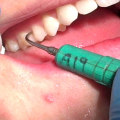
Dental visits can involve a variety of tools designed to examine, clean, restore, and protect the teeth and gums. While these instruments serve important clinical purposes, the way they are selected and used can also influence how patients experience their appointments. Modern dental tools are increasingly designed with precision, efficiency, and patient comfort in mind, helping dental professionals perform procedures with greater control. From ergonomic instruments to advanced imaging technology and quieter equipment, these developments can reduce unnecessary discomfort and make appointments feel more manageable. A comfortable experience can be particularly meaningful for patients who feel nervous about dental treatment, as reducing physical discomfort may also help create a greater sense of trust in the dental team.
How Technology Can Build Confidence
Dental technology can give patients a clearer understanding of what is happening during their treatment. Digital imaging, intraoral cameras, and other diagnostic tools can allow dentists to identify concerns more efficiently while, in some cases, giving patients the opportunity to see what their dentist sees. This transparency can make conversations about treatment easier and help patients understand why a particular procedure may be recommended. When patients feel informed rather than uncertain, they may become more comfortable participating in decisions about their oral health. Advanced tools can therefore support not only clinical accuracy but also communication, which is an important part of building confidence.
Comfort and Emotional Well-Being
Physical comfort is only one part of a positive dental experience. Patients may also experience anxiety related to sounds, unfamiliar instruments, previous experiences, or concerns about potential pain. Dental professionals can address these concerns by explaining procedures beforehand, checking in with patients throughout treatment, and allowing them to ask questions. A calm environment combined with thoughtful use of dental tools can help patients feel more in control. For individuals who experience broader emotional challenges, healthcare professionals may also encourage appropriate support outside the dental office. Resources such as Cabot Psychological Services can be part of a wider network of professional support when emotional well-being requires additional attention.
Building Trust Through Gentle Care
Trust develops when patients consistently feel that their comfort and concerns are respected. The use of appropriate dental tools can contribute to that trust when professionals take time to explain their purpose and use them carefully. Even routine procedures can feel less intimidating when patients know what to expect and understand that their provider is paying attention to their comfort. Small actions, such as pausing when a patient signals discomfort or explaining an unfamiliar instrument, can have a meaningful impact on the overall appointment. These interactions demonstrate that quality dental care involves more than technical skill; it also involves listening and responding to the individual receiving treatment.
Encouraging Long-Term Confidence
A positive dental experience can influence whether patients feel comfortable returning for regular appointments. When modern tools, clear communication, and compassionate care work together, patients may develop greater confidence in their dental providers and become more willing to address oral health concerns early. This can encourage preventive care and reduce the tendency to postpone appointments because of fear or uncertainty. Ultimately, dental tools are valuable not only because they help professionals perform procedures effectively, but because they can contribute to a smoother and more reassuring patient experience. By combining technology with empathy and patient-focused communication, dental practices can create an environment where individuals feel informed, respected, and confident about maintaining their oral health.